
DENSE LIVING, SPEEDY DELIVERY: THE HEART OF ASIA’S URBAN FOOD REVOLUTION

Urbanisation in Asia is transforming food systems at an unprecedented pace. As rural populations migrate to dense urban zones, the configuration of supply chains, retail formats and consumer habits adapts accordingly. According to the Food and Agriculture Organization (FAO), this shift redefines both what and how food is consumed, increasing demand for convenience, processed foods and rapid distribution. The pressures of high population density, changing lifestyles and limited space in megacities create fertile ground for a new generation of food solutions, many of which intersect directly with the mission of the SIAL platform to monitor global transformations in the food sector.
Urban households in Asian metropolises are turning away from traditional supply models towards compact formats, ready-to-eat meals, micro-fulfilment, and on-demand delivery. The rise of e-commerce and efficient last-mile logistics is rewriting consumer expectations. Rising demand for convenience in dense cities fuels innovation across manufacturing, retail, logistics and digital services. Together, these forces combine into a structural change that challenges conventional assumptions about food sourcing, storage, transport and consumption.
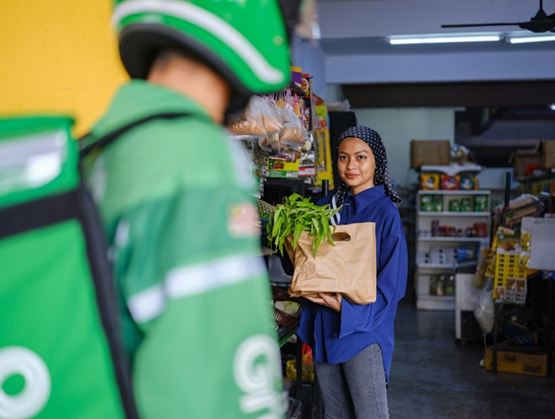
Convenience stores, e-commerce and the redefinition of retail formats
In 2025, small-format retail and convenience stores have been at the heart of Asia’s urban food transformation. A recent report shows that the Asia-Pacific convenience store market continues to expand rapidly, supported by rising disposable incomes, a growing middle class, and the need for quick-access retail in densely populated cities.
These stores are no longer just corner shops; they serve as micro-fulfilment hubs, combining physical retail with digital ordering, and often integrating cashless payments, ready meals and small-batch perishable goods.
This shift reflects broader changes in consumption habits. Younger urban dwellers increasingly rely on digital platforms to order groceries or prepared foods directly to their doorsteps. According to recent market data, the global food e-commerce market is projected to grow rapidly in the coming decade, driven largely by growth in urban regions and consumers’ desire for convenience. As a result, traditional supermarkets and wet-market models are losing ground to hybrid formats combining physical proximity, digital ordering and fast delivery.
For the SIAL Network’s global audience, including producers, distributors and food-service operators, these changes present both opportunities and challenges. On one hand, grocery products exhibitors and manufacturers who adapt their packaging, portioning and logistics to suit compact urban demand may find new markets. On the other hand, supply chain resilience, cold-chain logistics and sustainable sourcing are becoming essential, particularly for fresh or perishable goods. The rise of compact living and smaller households also encourages multipacks, single-serve meals and flexible portion sizes, driving innovation in packaging and processing.
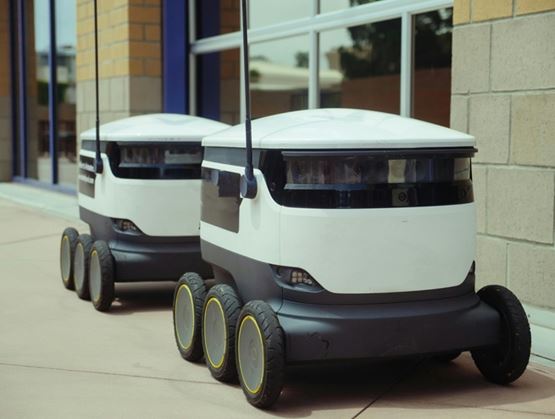
Last-mile logistics, ready meals and the rise of convenience in cities
As e-commerce and demand for on-demand food accelerate, last-mile delivery infrastructure has become a cornerstone of urban food supply. A 2025 study estimates the Asia-Pacific last-mile delivery market at significant growth, supported by investments in logistics technology, increasing smartphone penetration and high urban density.
Urban zones such as the Tokyo metropolitan area, where land is scarce and real estate expensive, illustrate how logistics providers adapt, with multi-tenant distribution hubs on city peripheries, micro-fulfilment centres and dense courier networks enabling fast delivery while preserving product quality.
These logistical developments enable the expansion of ready meals and compact food formats in cities. In 2025, the Asia-Pacific ready meals market is estimated at nearly USD 31 billion (around €26.5 billion), reflecting rising demand for meals that require minimal preparation time. For busy urban professionals, meal kits, chilled ready-to-eat dishes and compact snack packs replace elaborate home cooking, adapting to smaller kitchens or limited cooking time.
At the same time, this shift influences food producers and manufacturers. The food processing industry must innovate to meet demands for freshness, shelf stability and efficient packaging. Temperature-controlled supply chains, minimal-waste portioning and just-in-time production become critical. This industrial adjustment is more than a commercial opportunity. It marks a re-engineering of the agrifood value chain that aligns with evolving urban realities.
These developments also echo at the global level. When the next international food trade show or food innovation exhibition convenes, many of the products and solutions showcased will reflect this new urban logic: compact formats, ready meals, short-distance logistics, digital ordering, and supply-chain transparency. For companies seeking to address a world where more than half the population lives in cities, adapting to urban food demand has become a strategic imperative.
Rethinking food systems for urban future: sustainability and inclusion
Urbanisation in Asia and around the world not only alters where food is consumed but also challenges how food systems operate. The increasing reliance on processed foods and ready meals raises questions about nutrition, food security, equity and sustainability. The FAO warns that without proper planning, rapid urban growth can exacerbate food insecurity among vulnerable households, especially if supply chains are disrupted or dominated by expensive convenience formats.
However, this transformation also offers space for innovation. City planners, retailers, producers and logisticians can re-envision supply chains to prioritise affordability, quality and resilience. Regenerative agriculture, local sourcing, shorter value chains and flexible logistics can contribute to urban food security while reducing environmental footprint. Some pilot programmes documented by urban-food policy networks show how initiatives combining small-scale farming, local logistics and community markets help cities feed growing populations sustainably.
For the SIAL Network, these trends confirm the urgency and relevance of observing urban food dynamics. As cities continue to grow and evolve, so will demands for convenience, accessibility and diversity. The food companies that succeed will be those who adapt their production, packaging, logistics and marketing to meet urban realities, balancing profit with responsibility, innovation with inclusion.
Image credits: Grab - Unsplash & Kindel Media - Pexels