
EU STRENGTHENS GLOBAL VISIBILITY OF AGRI-FOOD INDUSTRY WITH UNPRECEDENTED FUNDING

The European Union is stepping up its efforts to promote the competitiveness of its agricultural and food industry on the world stage. With the adoption of the 2026 work programme for the EU’s agri-food promotion policy, Brussels has outlined plans for the highest budget ever dedicated to this objective, allocating €205 million to promote sustainable and high-quality European food products both within the EU and beyond.
The funding aims to help producer organisations and trade bodies engage in activities that highlight the quality, safety and authenticity of EU goods. Of this total, up to €160 million will be distributed in the form of grants for programmes that operate domestically and in strategic third-country markets, including China and North America, while a portion is also set aside to support crisis response measures. According to the European Commission, the programme reflects a broader strategy of bolstering the international presence and visibility of EU agricultural products as global demand evolves.
A global push for European agri-food visibility
The 2026 work programme builds on the EU’s longstanding “Enjoy, it’s from Europe” framework, under which more than 650 campaigns have already been co-financed to reinforce the global reputation of European agricultural products since 2016.
By supporting promotional activities in both existing and emerging markets, the EU seeks to position its brands in sectors such as the food processing industry and quality-labelled speciality goods, reinforcing long-term relationships with international buyers and consumers.
While the core of this funding supports initiatives by external organisations, up to €10 million is reserved for initiatives directly managed by the European Commission. These include high-level trade missions led by senior officials accompanied by business delegations, targeted promotion and information campaigns in third countries, participation in major global exhibitions such as those within the SIAL Network, and the creation of resources like market entry guides for exporters.
The programme also emphasises collaboration with EU producer groups and trade bodies to ensure that campaigns reflect the diverse realities of Europe’s agricultural fabric. Organisers of forthcoming EU-supported promotional campaigns will have opportunities to participate in information days in Brussels, designed to clarify the application process and help build robust proposals.
Connecting with key international markets
The world’s top growth markets for EU agri-food products feature prominently in the programme’s strategic focus. China, for instance, remains a critical destination, despite recent trade tensions and tariff measures affecting certain European dairy products. By strengthening promotional activities and supporting EU participation in major international food expo environments, the EU aims to sustain demand for products distinguished by quality, provenance and regulatory standards. This effort is underpinned by the EU–China agreement on Geographical Indications (GIs), which protects 100 EU GIs in China and 100 Chinese GIs in the EU. The framework provides legal recognition and safeguards for emblematic European food and drink products, reinforcing trust among Chinese consumers while giving EU producers a clearer platform for long-term brand building..
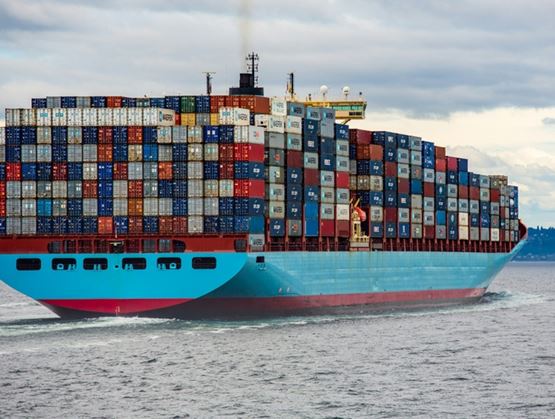
In the Americas, trade agreements such as the Comprehensive Economic and Trade Agreement (CETA) with Canada continue to provide frameworks that support market access and give a platform for promotional activity.
While CETA includes provisions that protect European geographical indications, such as certain cheeses and wines, the EU’s promotional funding helps keep these products visible to Canadian consumers and industry stakeholders.
India is another priority market where promotion and trade diplomacy increasingly work hand in hand. The EU has stepped up its engagement through targeted agri-food business missions and coordinated promotional activity linked to major food innovation exhibition platforms. These initiatives are designed to help European producers navigate a complex regulatory environment while responding to India’s fast-growing demand for premium, safe and traceable food products. At the same time, ongoing EU–India trade negotiations provide a longer-term framework aimed at improving market access for European exports. While agriculture remains a sensitive topic in these discussions, the EU’s promotional investment helps maintain visibility for European products and positions them as partners in India’s evolving food industry sectors rather than purely as imported goods.
In Southeast Asia, the EU has adopted a regional approach that combines promotional activity with broader trade engagement, notably in markets such as Malaysia and Indonesia. Rather than focusing exclusively on national campaigns, EU-backed initiatives often target shared regional platforms, enabling European producers to connect with buyers from across ASEAN through a single promotional presence. This strategy reflects the interconnected nature of food supply chains in the region and the importance of scale when addressing rapidly expanding consumer markets.
High-level EU agri-food business missions to Indonesia and wider trade discussions with Malaysia further reinforce this approach, creating conditions in which promotional campaigns can translate into lasting commercial relationships. For European companies participating in a global international food trade show network such as SIAL, this alignment between promotion and policy helps turn visibility into sustained market access.
Across all regions, the EU’s approach is about building sustainable, long-term awareness rather than short bursts of marketing. Organisations receiving co-financed support are encouraged to design campaigns that speak to local tastes and cultures, aligning European quality signals with global consumer preferences.
Strategic outcomes and future outlook
From Brussels’ perspective, the expansion of promotion funding is not just about sales and exports. The European Commission has underlined the role of this policy as a tool to strengthen the resilience of the agri-food sector by diversifying export markets and cultivating loyalty among international customers.
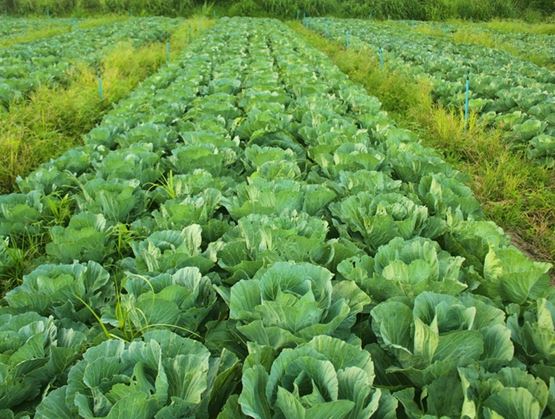
The 2026 programme also dovetails with broader EU agricultural policy goals, including rural development and quality scheme recognition, underlining the importance of sustainability and innovation in global food systems.
For participants in the SIAL Network and those preparing to engage with the European market, the renewed focus on promotion provides a substantive backdrop for strategic planning. EU co-financing and promotional support can amplify visibility for European brands in crowded global marketplaces, reinforcing the strength of the sector across categories and geographies.
Through co-funded campaigns, direct Commission action and strategic market focus, the EU’s investment in agri-food promotion in 2026 reflects an enduring commitment to maintaining European agricultural excellence on the global stage.
Image credits:
Alexey Larionov – Unsplash
Ian Taylor – Unsplash
Wanassan Phonnaun – Unsplash