
WHEN SWEET MEETS HEAT

The sensation unfolds gradually. A familiar sweetness lands first, soft and rounded, often evoking comfort foods or childhood flavours. Moments later, heat begins to emerge, sometimes subtly, sometimes with a sharper edge for more adventurous palates, adding depth and momentum to the experience. This deliberate contrast defines the “swicy” trend, a flavour movement blending sweet and spicy elements into a single, cohesive profile. In 2025, sweet-spicy condiments were highlighted as one of the top emerging flavour categories in global food trend forecasting. With the global market for sauces and condiments expected to increase to $240.7 billion by 2028, some trackers note year-over-year growth rates in the 40 to 60% range for sweet and spicy flavour variants across sauces, glazes and seasoning packs.
Once limited to specific regional cuisines, swicy flavours are now appearing across menus and retail shelves worldwide. From classic sweet chilli sauce, long valued for its balance of sugar, vinegar and chilli, to the rapid rise of hot honey in Western markets, this flavour logic is gaining traction across categories. Snacks, sauces, ready meals and even beverages are increasingly designed around this dual sensation, reflecting a shift in how consumers approach taste and texture. As the appetite for global tastes grows thanks to travel and social media, the swicy trend is particularly driven by Gen Z and Millennial consumers seeking full sensory food experiences with bold combinations.
As food professionals look ahead, swicy is no longer framed as a short-term fad. Instead, it is emerging as a flexible flavour platform, capable of adapting to regional preferences while maintaining a recognisable global identity.
From Asian culinary traditions to global adoption
Sweet and spicy flavour combinations have deep roots in Asian cuisines, where balance has long been central to culinary philosophy. Thai sweet chilli sauce is one of the most widely recognised examples, combining sugar, garlic and red chillies to create a condiment that enhances rather than dominates.
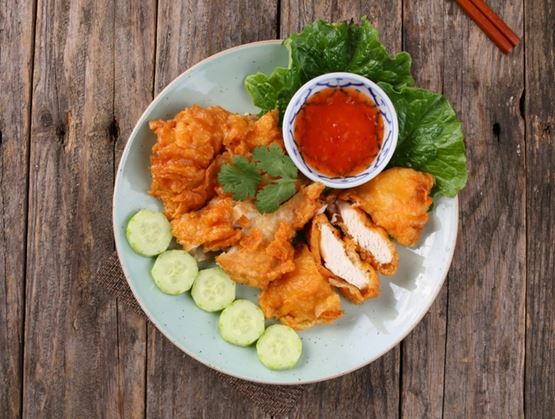
Although some sources trace sweet chilli sauce back to China, it is widely accepted that it originated in Thailand, where it gained popularity as a dipping sauce for fried foods such as chicken and spring rolls. According to culinary historians, this balance helped make chilli heat more accessible, allowing spice to complement sweetness instead of overpowering it.
As global palates have become more adventurous, these principles have travelled well beyond their original contexts. Datassential reports that interest in sweet and spicy flavour combinations has risen steadily over the past five years, with consumers increasingly associating balanced heat with quality and craftsmanship rather than novelty alone. Sweet chilli flavours, once considered exotic in Western markets, are now firmly established as mainstream.
This evolution is clearly visible across events within the SIAL Network. Trade shows such as SIAL China and SIAL Interfood in Indonesia, Food & Drinks Malaysia and SIAL India continue to spotlight sauces, marinades and seasoning blends rooted in regional flavour traditions. At the same time, their growing presence at SIAL Paris and SIAL Canada reflects how these profiles are being adapted for European and North American markets. These platforms demonstrate how regional flavour heritage continues to influence global product development, particularly in processed foods and condiments.
What distinguishes the current swicy wave is its cross-category reach. The same flavour logic once reserved for sauces is now applied to bakery items, dairy-based snacks and plant-based products, signalling a broader acceptance of chilli heat as a versatile ingredient rather than a niche marker.
In Europe, the swicy trend is gaining traction through familiar formats rather than extreme heat. Sweet-spicy profiles are increasingly visible in condiments, snacks and fast-casual food, with sweet chilli sauces and hot honey-style glazes leading adoption. Market data shows steady growth in the European hot sauce and chilli condiment category, while retailers and foodservice operators respond to consumer interest in layered flavours that deliver warmth and sweetness in balance rather than intensity. The trend is particularly evident in ready-to-use sauces, snack coatings and comfort foods, where swicy flavours offer a gentle introduction to spice for a broad audience.
The North American love affair with Hot honey

While sweet chilli sauce laid much of the groundwork, hot honey has become the most visible symbol of swicy’s mainstream breakthrough, particularly in North America. Honey infused with chilli peppers offers a gentle entry point into heat, combining familiarity with a subtle sense of risk. Hot honey has seen menu growth of more than 200% in the United States since 2021, appearing on pizzas, fried chicken, cheese boards and vegetable dishes. What began as a flavour experiment, hot honey now has a strong foothold, with 75% of American consumers aware of the sweet and spicy combination and hot honey appearing on 11.3% of restaurant menus.
This rapid adoption reflects a wider consumer appetite for contrast. Market analysts note that younger consumers in particular are drawn to flavours that deliver progression rather than immediacy. The delayed heat of hot honey allows sweetness to anchor the experience, making spice feel intentional and controlled. This approach aligns with broader food trends focused on balance, moderation and sensory storytelling.
Retail is following closely. Swicy-labelled snacks and sauces are gaining shelf space, while product developers are experimenting with chilli-infused syrups and sweet-spicy glazes designed for home cooking. The concept is also extending into beverages. From the ubiquitous Spicy Margarita to chile-pepper-infused Caipirinha and other drinks where chilli heat is paired with fruit sweetness or floral notes, the swicy trend is opening new territory for innovative drinks.
For brands operating as grocery products exhibitors, swicy flavours offer a way to refresh established ranges without alienating existing consumers. By introducing heat gradually and pairing it with sweetness, manufacturers can broaden appeal while responding to demand for bolder taste experiences.
A strategic flavour for global food innovation
As international markets prepare for 2026, swicy flavours are increasingly positioned as a strategic response to evolving consumer expectations. Rather than relying on extreme spice or sugar, this approach delivers complexity through balance, making it adaptable across cultures and consumption occasions.
Within the SIAL Network, innovation-focused events illustrate how sweet-spicy profiles are being tailored to local tastes while maintaining global relevance. Exhibitors showcase chilli-sweet condiments, marinades and snacks designed for export markets, reinforcing swicy as a commercially viable flavour bridge between regions.
This adaptability is particularly valuable in a global food system shaped by uncertainty and competition. Swicy flavours allow brands to differentiate products without radical reformulation, offering novelty through nuance rather than disruption. For buyers and manufacturers attending the food exhibition 2026 circuit, these flavour profiles represent a high-impact avenue for innovation.
Looking ahead, analysts expect swicy to evolve further, incorporating new sources of sweetness such as fruit reductions or fermented sugars, alongside varied chilli varieties that introduce aroma as well as heat. What remains constant is the underlying principle. When sweetness and spice are carefully calibrated, the result resonates across markets, cultures and categories. It is not about intensity for its own sake, but about creating memorable moments that unfold on the palate, one layer at a time.
Image credits:
Roman Odintsov – Pexels
Salah Ait Mokhtar – Unsplash
RDNE Stock project – Pexels
Undo Kim – Pexels