
SOLO DINING FINDS ITS SEAT IN CANADA

The table for one has acquired a new status. Not the lonely table near the door, nor the rushed lunch between meetings, but a deliberate seat at the bar, a bowl of noodles eaten in peace, a tasting menu enjoyed without compromise or a café visit filmed for thousands of followers. In Canada, that small act has become unusually visible. What once looked like an empty chair now looks like an opportunity.
OpenTable and KAYAK data suggests Canada is at the front of the solo-dining wave. Solo dining on OpenTable in Canada rose by 16% over the past 12 months compared with the previous year, while solo diners spent 43% more per person than other diners, averaging $82. The same research found that 89% of Canadian respondents had dined alone at a sit-down restaurant in the past 12 months. French-language Canadian media, citing OpenTable data, has also reported that reservations for one grew by 28% in Canada in 2025, above the global increase of 19%.
From empty chair to premium occasion
Canada’s rise as a solo-dining leader reflects more than a passing social media mood. It sits at the crossroads of urban living, smaller households, hybrid work, business travel, self-care culture and a restaurant scene that has become more adaptable about how people use dining rooms. A solo diner might be a traveller between meetings, a neighbourhood regular after work, a student seeking a calm meal, or a food obsessive chasing a dish seen online.
For restaurants, the economics are persuasive. Restaurants Canada reported in May 2026 that the industry was facing growing financial strain from high operating costs, affordability pressures and uneven consumer spending. The organisation also noted that Canadians visit restaurants 23 million times every day and that the sector supports 1.2 million jobs nationwide. Against that backdrop, the solo diner is becoming easier for restaurants to value, especially when one guest can fill a bar seat, order from the full menu and return as a regular. They are a valuable dining occasion.
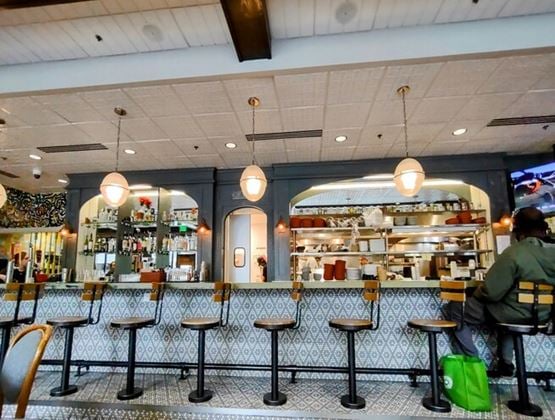
The physical restaurant is adapting accordingly. The bar seat, once a waiting area before the “real” table, has become prime real estate. Chef’s counters, window stools, compact two-tops and flexible walk-in zones allow operators to welcome solo diners without disrupting larger bookings. For the guest, the experience can feel easier than arranging a group reservation. A party of one may be able to slip into a busy restaurant at the bar, order from the full menu and enjoy a front-row view of the room.
Toronto puts individuality on the menu
Toronto has given the trend one of its clearest Canadian expressions. Yunnan Noodle Shack, on Baldwin Street, bills itself as Toronto’s first solitary dining experience. The restaurant has 25 partitioned stalls designed for one person, turning solo dining from an improvised behaviour into the foundation of the concept. Toronto Life described it as an “introvert’s dream”, with co-owner and chef Andy Su saying the restaurant was designed to make the diner feel calm and focused.
The appeal is not necessarily isolation. It is control. A solo diner can choose the dish, pace, spend, drink and level of interaction without negotiation. A bowl of noodles, a tasting menu, a late breakfast, a café lunch or a seat at an oyster bar can become a private ritual. In that sense, solo dining is closer to a personalised experience than a substitute for sociability.
Social media has accelerated the shift. On TikTok and Instagram, creators have gained audiences by filming themselves eating alone in restaurants, cafés, diners, high-end venues and casual neighbourhood spots. While some create content while eating in their cars, a growing number film inside dining rooms, where the solo meal becomes part food review, part lifestyle performance and part self-confidence statement. The message is not “nobody came with them”. It is that nobody needed to.
This is significant for restaurants because a solo diner with a phone can become a powerful discovery channel. A single guest may film the counter, the dish, the first bite and the bill, creating a compact story that travels far beyond the room. For operators with limited marketing budgets, the solo diner can bring visibility without requiring a large group booking.
What solo dining tells the wider market
The trend carries lessons beyond restaurants. For the food industry trade show community, Canada’s table-for-one boom points to a broader shift in consumption: more flexible meal occasions, more individual decision-making and greater demand for products and services that feel personal without feeling small.
In foodservice, that could mean more counter-friendly menus, premium individual portions, tasting formats for one, wine by the glass, half bottles, non-alcoholic pairings and desserts designed for a single guest. In retail, it speaks to the continued relevance of high-quality single-serve meals, premium snacks, convenience-led formats and products that do not assume the consumer is buying for a household of four.
The solo diner also challenges old assumptions about value. Eating alone is not automatically about spending less. OpenTable’s Canadian data suggests the opposite, with solo diners spending more per person than other diners. The difference may lie in intention. A person eating alone is often making a direct choice, not averaging their preferences across a group. They may be more likely to order the dish they came for, add a drink, try a special or return to the same restaurant as a habit.
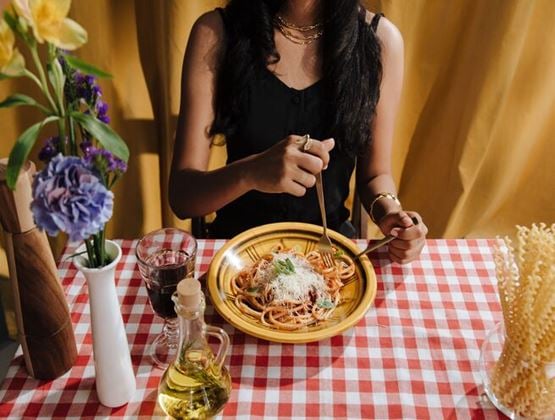
Canada is a useful market to watch because its food culture is both international and pragmatic. Toronto, Montréal, Vancouver, Calgary and other cities are shaped by migration, neighbourhood dining, quick-service innovation, café culture and ambitious independent restaurants. Solo dining can move across all of those settings.
Canada’s table for one joins the global conversation
Solo dining does not signal the end of communal eating. It shows that restaurant culture is becoming more elastic. The same consumer may book a birthday dinner for eight, grab a weekday lunch alone, meet a colleague for coffee and return to a favourite bar seat on Sunday evening. The social meal remains strong, but it no longer defines the whole restaurant economy.
For suppliers, distributors, operators and buyers, the Canadian trend offers a compact view of where modern foodservice is heading. The meal is becoming more flexible, more self-directed and more influenced by digital discovery. Hospitality, in turn, is being asked to make one person feel as considered as a full table.
SIAL Canada, taking place in Toronto from 27 to 29 April 2027 at the Enercare Centre, will arrive in a city where the solo-dining conversation is already visible across restaurants, media and consumer behaviour. Alongside other SIAL Network events dedicated to food innovation, it offers a natural platform for exploring how changing dining habits are influencing menus, retail formats, product development and the future of hospitality. Canada’s table for one may begin with a single seat, but its implications reach across the food industry sectors that feed the modern consumer.
Image credits:
Ron Lach - Pexels
Solitsocial dot com - Unsplash