
THE SWEET SPECTACLE OF ANGEL HAIR CHOCOLATE

The first cut is almost cinematic. A glossy pink shell gives way with a snap, then opens onto green pistachio cream and pale, wispy strands that look closer to silk thread than confectionery. Angel Hair Chocolate is made for the camera before it reaches the palate, yet its success is not only visual. It sits at the meeting point of texture, nostalgia, premium indulgence and the social media search for the next edible spectacle.
The comparison with Dubai chocolate is inevitable. Both products rely on rupture and reveal: the crack of chocolate, the hidden filling, the pleasure of seeing an interior that appears more complex than a conventional bar. Dubai chocolate brought pistachio cream, tahini and crisp kataifi into the global mainstream after a Fix Dessert Chocolatier bar, created in Dubai in 2021, became a TikTok phenomenon. Angel Hair Chocolate follows that same sensory grammar, but softens it. Where Dubai chocolate crunches, Angel Hair drifts.
From Belgian craft to Turkish confectionery memory
Angel Hair Chocolate is widely credited to Belgian brand Tucho, which launched the product in December 2024. The bar is usually described as a pink or white chocolate shell filled with pistachio cream and pişmaniye, a traditional Turkish sweet made from fine strands of pulled sugar, flour and butter. Pişmaniye is often compared with candy floss, although its texture is more fibrous and delicate, with a faintly buttery character that makes it less airy and more substantial.
That ingredient gives the chocolate its name and its strangeness. When the bar is broken open, the filling appears almost alive, spilling into fine filaments that contrast with the polished exterior. Some versions add raspberry, pomegranate or vanilla notes, while imitators have experimented with ruby, milk and dark chocolate shells. The product’s identity, however, remains anchored in the collision between Belgian chocolate craft, Turkish confectionery heritage and Middle Eastern pistachio-led indulgence.
This is part of its appeal. Angel Hair Chocolate does not arrive as a wholly new flavour invention. It repackages recognisable cues into a new format: pistachio as luxury, pink as social media shorthand for playfulness, and traditional confectionery as a source of texture. It is less about novelty for its own sake than about the modernisation of older sweet-making traditions for a global audience.
The TikTok logic of snap, stretch and surprise
The rise of Angel Hair Chocolate reflects a broader shift in confectionery, where texture has become as important as flavour. Zurich-based Barry Callebaut Group’s 2026 chocolate trend work identifies multisensory confectionery as a major direction, noting that 44% of consumers are highly drawn to unexpected textures, rising to 52% among Gen Z and millennials. That helps explain why bars built around crunch, pull, fluff, cream and snap are gaining such momentum.
Angel Hair Chocolate performs particularly well online because it contains a short narrative. It begins as a neat bar, becomes a visual rupture, then offers a filling that demands description. Is it hair-like, cloud-like, silky, strange, beautiful or unsettling? The debate is part of the product. Viral foods often thrive when they invite both admiration and discomfort, and Angel Hair sits neatly in that ambiguous zone.
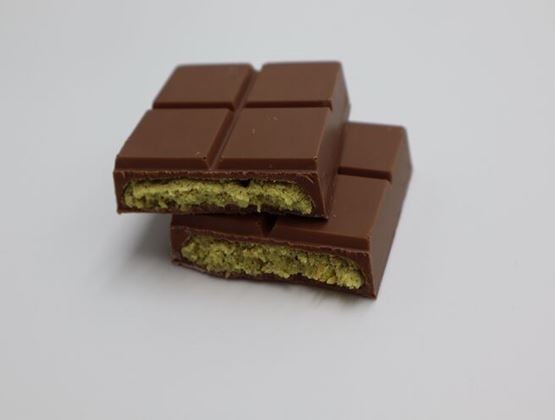
Dubai chocolate showed how quickly a confectionery idea can jump from boutique product to global template. After one widely shared TikTok video helped push the Fix bar into international attention, demand spread across retailers, cafés and major brands. In 2025, UK supermarkets rationed some Dubai-style bars, while foodservice and quick-service operators created pistachio-kataifi shakes, desserts and limited editions.
Angel Hair Chocolate now benefits from the path that Dubai chocolate cleared: consumers already understand the idea of a thick, filled, pistachio-centred chocolate bar as a premium viral treat.
A new playbook for chocolate innovation
For chocolate makers, the timing is significant. The industry has been navigating cocoa price volatility, cost pressure and changing consumer expectations. Cocoa futures reached exceptional highs in late 2024 and early 2025, while manufacturers faced pressure to protect margins without weakening the sense of indulgence that keeps consumers engaged. In that environment, layered products can offer a useful route forward. They create value through fillings, texture, colour and story, rather than through cocoa alone.
This does not mean cocoa quality becomes irrelevant. Premium perception still matters. But the centre of gravity is shifting. A chocolate bar can now be judged by its sound, its cross-section, its shareability and the speed with which it can be adapted into ice cream, cakes, cookies, drinks or bakery fillings. Angel Hair Chocolate is not only a product. It is a format.
That format is particularly attractive to smaller brands and artisanal makers, because it rewards agility. The next viral bar does not need decades of brand equity. It needs a striking visual identity, a compelling ingredient story and enough production discipline to move from curiosity to repeat purchase. At the same time, the speed of imitation creates risks. As Dubai-style chocolate moved through informal import channels, the UK Food Standards Agency warned in 2025 that some imported products lacked adequate ingredients lists or allergen labelling, particularly around nuts, sesame and other regulated allergens. Viral momentum can open doors, but it can also expose weak points in compliance, traceability and responsible retailing.
Where spectacle meets substance
Angel Hair Chocolate’s staying power will depend on whether it can move beyond the first video. Viral confectionery often burns brightly, then fades when the surprise is gone. The strongest products tend to translate spectacle into a stable eating experience. In this case, the question is whether pişmaniye can remain soft, attractive and well distributed inside a filled bar across shelf life, transport and different climates. The ingredient is delicate, and its appeal depends heavily on texture.
There is also a cultural angle that gives the trend more depth than a simple colour-and-filling gimmick. Like Dubai chocolate, Angel Hair Chocolate reflects the growing influence of Middle Eastern and Eastern Mediterranean flavours in global sweets. Pistachio, tahini, kataifi, rose, pomegranate and pulled sugar are no longer niche references in many markets. They are becoming part of the premium confectionery vocabulary, especially among consumers looking for indulgence that feels both familiar and discovered.
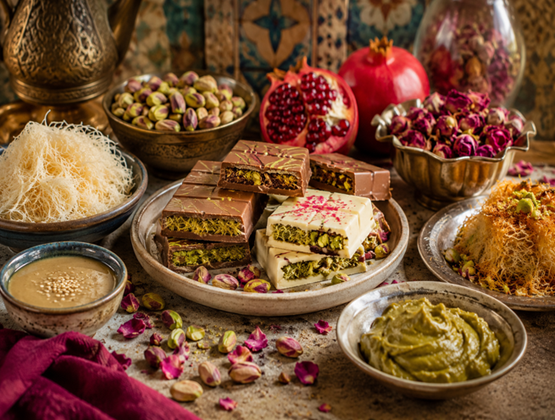
For retailers and manufacturers, the lesson is not to chase every social media moment blindly. The more interesting opportunity lies in understanding why these products travel. Angel Hair Chocolate works because it compresses several market desires into one object: craft cues, cross-cultural flavour, visual drama, contrasting texture and a limited-edition feel. It is a small bar with the mechanics of a launch campaign built into it.
As global buyers and innovators look towards the next major food innovation show, confectionery will remain one of the clearest windows into how fast consumer desire is changing. At SIAL Paris and across the wider SIAL Network, products such as Angel Hair Chocolate show why the future of sweets is increasingly experiential. The next sensation may not be the richest chocolate or the rarest ingredient, but the one that turns a bite into a moment worth sharing.
Image credits:
SiljeAO - Pexels