
INDONESIA AT THE HEART OF ASIA’S FOOD GROWTH

The food industry has never been more global, yet consumers have rarely been more local in what they want. Few markets illustrate that paradox as vividly as Indonesia.
Spread across thousands of islands and home to 285.7 million people in 2025, the country brings together extraordinary scale and extraordinary diversity. Regional cuisines, religious requirements, price sensitivity and established eating habits coexist with convenience retail, e-commerce, health-conscious purchasing and a growing appetite for new formats.
The economic backdrop remains favourable. Indonesia’s economy expanded by 5.11% in 2025, following 5.03% growth in 2024. For food businesses looking at Asia, the attraction lies not only in the number of consumers, but in the changes taking place in what they buy, where they buy it and how they balance tradition with new expectations.
A vast market still built around familiar foods
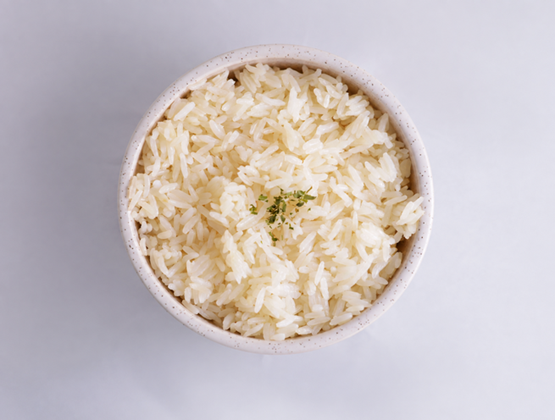
Rice remains at the heart of Indonesian diets. Average consumption reached 87.3 kg per person in 2025, while wheat reached 14.8 kg. The figures reveal how newer flour-based foods have established themselves alongside, rather than displaced, the country’s dominant staple.
The rest of the plate is equally revealing. Indonesians consumed 23.1 kg of fish per person in 2025, alongside 10.5 kg of poultry and 7.7 kg of eggs. Vegetables and fruit together reached 95.6 kg per person, while soybeans accounted for 8.8 kg. These national consumption figures reflect a food culture where fish, rice, vegetables, tofu, tempeh and other familiar ingredients continue to shape everyday meals.
Yet those ingredients increasingly appear in different contexts. Traditional cooking sits beside packaged snacks, ready-to-eat products, instant beverages and meals designed around faster urban lifestyles. What changes is often less the flavour itself than the format surrounding it.
This ability to modernise familiar foods is particularly important in Indonesia. Consumers can be receptive to convenience without abandoning local tastes, opening opportunities for manufacturers able to combine recognisable flavours with improved shelf life, portability or nutritional positioning.
Convenience, value and health reshape the basket
Indonesia’s grocery retail market reached approximately $102 billion in 2025. Traditional retail remains dominant, but the commercial picture is increasingly fragmented: traditional grocery represented around $77 billion, modern grocery retail $24 billion and food e-commerce approximately $5 billion.
The result is an unusually broad retail landscape. A product can encounter consumers through a wet market, a warung, a minimarket chain, a supermarket, a specialist store or a smartphone screen. Almost 40% of Indonesian households now purchase FMCG products online, while consumers typically shop across three or four different channels each month.
That fragmentation changes how brands approach the market. Availability, pack size and price can be decisive, particularly in a country where shoppers remain attentive to household budgets. In the second quarter of 2026, FMCG value sales increased by 5% year on year, but spending became increasingly selective as food and household products competed with travel, education and other expenses.
Premiumisation therefore exists alongside a persistent search for value. Consumers may spend more in selected categories while economising elsewhere, making accessible indulgence an increasingly relevant proposition for snacks, beverages and convenience foods.
Health adds another layer. In 2025, 48% of Indonesian consumers said they were prepared to pay more than 10% extra for foods offering enhanced nutritional benefits, including added vitamins, minerals or fibre. At the same time, cost and limited access to healthier alternatives remained barriers.
The opportunity is consequently not confined to expensive wellness products. Functional drinks, fortified staples, better-for-you snacks and foods offering clearer nutritional benefits can all find space, particularly when health credentials are combined with familiar taste and an attainable price.
Halal requirements are equally fundamental. From 18 October 2026, Indonesia enters a further phase of mandatory halal certification for food and drink categories and related ingredients. At the same time, the country is tightening its wider food safety framework. Government Regulation No. 1 of 2026, which took effect in January, introduced stricter requirements covering food production, packaging, additives, business licensing and import controls, with greater emphasis on risk-based safety management and supervision throughout the food chain. For producers entering the market, compliance increasingly extends across product formulation, sourcing, packaging, certification and import strategy.
A $100 billion industry with room for international suppliers
Indonesia’s opportunity extends well beyond the size of its consumer base. Its food and beverage industry was worth approximately $101 billion in 2025, growing by 6.4% year on year and accounting for 7.1% of GDP. Grocery retail sales reached around $102 billion, while foodservice represented a market of roughly $30 billion.
For international suppliers, however, one of the most important characteristics of the market is its reliance on imports. Indonesia imported approximately $26 billion worth of agricultural products in 2025, including $9.2 billion in consumer-oriented products. Agricultural imports have increased by 62% in value since 2015, reflecting both rising demand and structural gaps in domestic supply.
Those gaps are particularly visible in food manufacturing. Indonesia imports around 80% of the milk ingredients it uses and 70% of its soybeans, while wheat is entirely sourced from abroad. Dairy imports alone reached approximately $2 billion in 2025, wheat $3.3 billion and soybeans $1.2 billion. Local milk production covers only around 15% of demand, while domestic soybean production supplies roughly 10%.
That dependence creates opportunities across both finished products and ingredients. USDA identifies dairy products, baking inputs, chocolate, baby food, frozen foods, snacks, sauces and condiments, sweet biscuits, and ice cream and frozen desserts among imported categories showing growth. Cheese is also emerging strongly, supported by greater use across foodservice, bakery and snack applications.
A network following the movement of consumption
SIAL began in Paris in 1964. More than six decades later, the network encompasses 12 leading food and beverage events, 700,000 professional visitors, 17,000 exhibitors and 10 food sectors.
SIAL Food & Drinks Indonesia brings that logic directly to Jakarta, with its next edition taking place from 4 to 6 November 2026 at JIExpo Kemayoran. The show places suppliers, manufacturers, distributors and buyers inside one of Asia’s largest consumer markets rather than viewing Indonesia from elsewhere in the region.

As food growth becomes more geographically dispersed, the role of SIAL Network increasingly mirrors the industry it serves: one global system connected through many distinctly local markets.
Image credits:
Robert Moutongoh - Pexels