
LOCAL MARKETS DRIVING THE FUTURE OF FOOD IN THE SIAL NETWORK

In a rapidly evolving global food landscape, SIAL Network remains a strategic platform for understanding how local markets are shaping tomorrow’s food industry. While globalised trends once dominated product development, three major regional markets are now driving innovation: India, China and the ASEAN region. Together they illustrate how rising incomes, demographic shifts and regulatory frameworks are re-writing the recipe for food-industry growth.
These markets are no longer outliers; they are major growth engines. The global food and beverage market was valued at around USD 6.72 trillion in 2024 (≈ €5.82 trillion) and is forecast to reach roughly USD 11.6 trillion by 2033 (≈ €10.06 trillion). Within that, Asia-Pacific alone accounted for more than 41 % of global market value in 2024. For food industry players attending SIAL Network, local-market specificity matters more than ever.
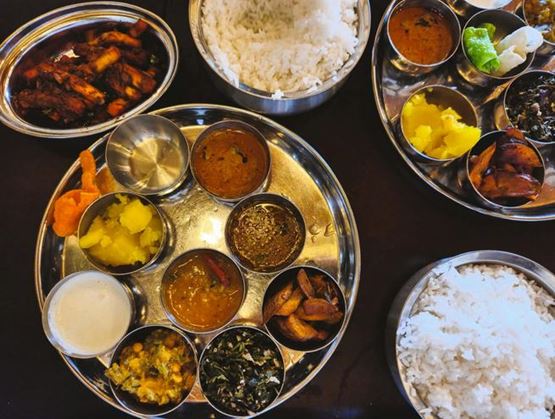
India: Tradition, modernisation and scale
India’s food-processing sector is undergoing rapid expansion. According to the India Brand Equity Foundation (IBEF), the food processing market in India reached Rs 30,49,800 crore (≈ € 307.5 billion) in 2024, and is expected to grow to about Rs 4,584,415 crore (≈ € 463.5 billion) by FY26. That same report projects the sector to reach over US$ 1.1 trillion (≈ € 954.0 billion) by FY35.
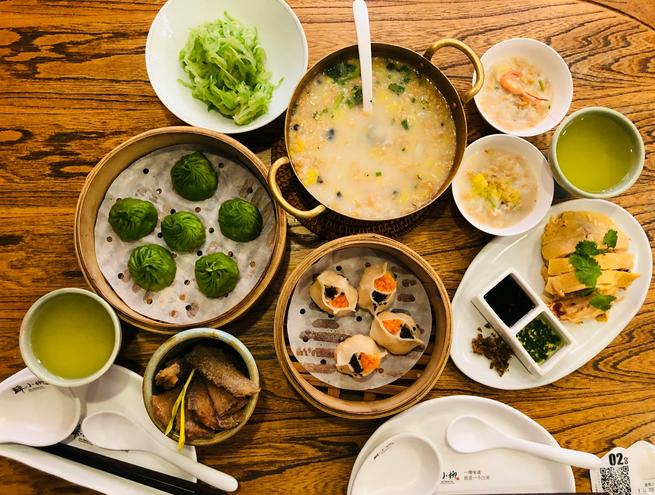
China: Premiumisation, safety and tech-driven demand
From a regulatory and consumer-trust standpoint, China presents high expectations. A recent Euromonitor article noted that China’s sugar-free and low-sugar food market is projected to exceed CNY 900 billion (≈ €117 billion) by 2027 (growth ~7.5% annually) while high-protein foods could grow ~10% year-on-year.
Additionally, data from the National Bureau of Statistics of China shows the food-processing sector (enterprises above a certain size) grew by 0.2% in 2023 over the previous year for the “processing of food from agricultural and sideline products” category.
For SIAL Network participants, the Chinese market signals that volume alone is no longer sufficient. Products must offer premium positioning, traceability, quality assurance and tech-enabled features (digital packaging, e-commerce readiness, personalised formats). Brands failing to meet these criteria risk being excluded from the rapidly evolving consumer base.
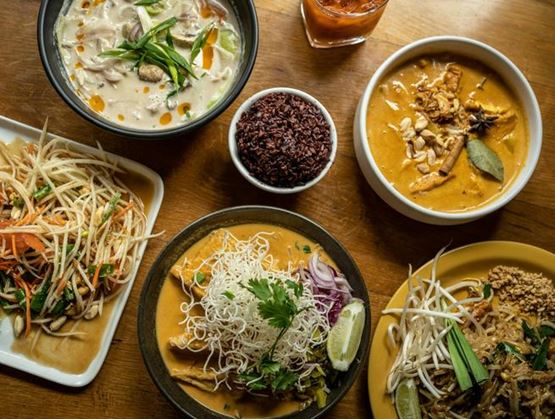
ASEAN: Diversity, experimentation and regional growth
Another report emphasises that Southeast Asia’s food & beverage market exhibits young consumers, rising digital purchasing, and strong growth in functional categories and convenient formats.
While aggregated numbers are useful, the key insight for SIAL Network is that ASEAN is less homogeneous than India or China, it is a mosaic of cultural and economic dynamics. Malaysia’s halal-certified ecosystem, Thai functional beverages, Indonesian snacks and Vietnam’s youthful demographics all highlight niche opportunities. The region rewards rapid innovation and willingness to test new formats, making it a global playground for experimentation.

Canada: Sustainability leadership and high-value food processing
Canada is an increasingly strategic destination within the SIAL Network, driven by its strong agri-food infrastructure and its leadership in sustainable innovation.
According to Agriculture and Agri-Food Canada, the country’s food and beverage processing industry generated CAD 156.5 billion in revenues in 2023 (≈ €107.3 billion), making it Canada’s largest manufacturing sector. The market is characterised by advanced processing capabilities, extensive agricultural resources and strong investment in new protein sources. Protein Industries Canada estimates that the country’s plant-based ingredients and food market could surpass CAD 25 billion by 2035 (≈ €17.1 billion).
Consumer expectations further reinforce innovation pathways: NielsenIQ data shows that 77% of Canadian consumers prioritised sustainability factors such as local sourcing, recyclable packaging and low-carbon products when buying food in 2024. For SIAL Network participants, Canada highlights how technological expertise, commodity strength and sustainability-driven retail influence global product strategies.
France: Gastronomic heritage, premiumisation and regulatory influence
As the home of SIAL Paris, France remains a central destination for global food innovation, combining culinary heritage with forward-looking regulatory frameworks. According to ANIA, the French food industry reached €198 billion in turnover in 2023, accounting for nearly 20% of national industrial output. France is also an agri-food export powerhouse, with more than €68 billion in food and agricultural exports recorded in 2023.
Consumer behaviour trends reinforce the country’s premium positioning: Kantar reports that 64% of French households prioritised products with environmental or ethical labels in 2024, reflecting long-term expectations for quality, origin and sustainability. At the same time, French foodtech ecosystems are accelerating, supported by Bpifrance investment programmes in fermentation, alternative ingredients, and ready-to-eat or gourmet convenience formats.
As a SIAL Network pillar, France illustrates how cultural influence, innovation funding and regulatory strength make it a reference point for global product development.
Implications for global food industry and SIAL Network participants
Local relevance is now non-negotiable, as global players must adapt flavours, formats and pricing to each market rather than relying on universal product launches.
At the same time, scale is being paired with growing sophistication: while India and China still offer massive volumes, consumers increasingly expect premium attributes such as provenance, health benefits, convenience and seamless digital access.
Innovation pipelines, too, are becoming regionalised. Ideas emerging in one market, whether plant-based snacks in ASEAN, millet-based products in India or premium RTD beverages in China, are quickly shaping global R&D directions. Meanwhile, distribution channels are transforming at speed across all three regions, with e-commerce, mobile commerce, cloud kitchens and convenience-driven formats reshaping traditional retail patterns.
Finally, regulatory and value-chain scrutiny continues to intensify. China’s insistence on traceability, India’s ambitions for its food-processing sector and ASEAN’s halal requirements and cross-border trade frameworks all demand a high level of agility from companies operating in these markets.
For the SIAL Network’s global audience, ingredient suppliers, food manufacturers, private-label specialists and retail strategists, the insight that “one size fits all” no longer works. The major growth opportunities lie where global capabilities meet local intelligence.
Markets like India, China, ASEAN, Canada and France are not just growth engines; they are innovation crucibles. Each shows how local culture, regulation and consumer expectations uniquely shape the direction of the global food sector. For participants across the SIAL Network, meaningful growth increasingly depends on the ability to combine global capabilities with deep local insight. By understanding the dynamics of these diverse markets, industry players can anticipate shifts, co-create relevant solutions and stay ahead of tomorrow’s food trends rather than simply reacting to them.