
Cheese and dairy trends 2026, what's reshaping the world?
The cheese world is moving
Something interesting is happening with the cheese market in 2026. The global market is on course nearly double by 2032. Yet the most revealing story isn't the growth, but the transformation happening underneath it.
The why behind a cheese purchase has changed.
And so has the when, the how much, and the from whom. Today, a new generation of consumers is asking more specific questions, eating differently, and expecting more not just from the product itself, but from the people who make it.
The 2026 Cheese and Dairy Products Show captured this shift through an exclusive survey of 500 French cheese consumers, cross-referenced with international market data. What emerged paints a surprisingly nuanced picture of where the industry is heading one that challenges several assumptions that have quietly become conventional wisdom in the sector.
What data is actually saying?
The case of local and artisanal products illustrates this shift particularly well. While demand for these products continues to grow, its nature has evolved significantly, reshaping the expectations placed on producers and retailers. Consumers are no longer satisfied with products simply carrying a regional label or origin claim. Instead, they are seeking greater authenticity, transparency, and evidence of craftsmanship. Brands that recognize and respond to these more nuanced expectations are increasingly gaining a competitive advantage.
When considering inflation, most food categories have felt the squeeze: cheese, interestingly, has held up better than expected and the reason why is one of the more instructive stories in the 2026 trend data. Something important about how quality dairy is perceived relative to other spending decisions, and it has real implications for how the industry should be positioning itself right now.
Then there's the flavor innovation picture, which has gone somewhere genuinely unexpected. The boundaries of what cheese can be, what it can be paired with, infused with, aged alongside are being pushed further than at any point in recent memory. And it's not just boutique producers experimenting at the margins. These influences are moving into the mainstream faster than most people anticipated, driven in part by a social media dynamic that has fundamentally changed how food trends travel.
What do consumers really expect?
What connects these trends is something harder to put a number on: a change in what consumers expect from the relationship between themselves and the food they buy. Transparency, traceability, and responsibility have moved from optional extras to baseline expectations and the dairy sector, perhaps more than any other part of the food industry, is having to figure out what that means in practice.
The producers and retailers navigating this well aren't treating it as a compliance exercise. They're finding that it opens new ways to tell their story, connect with customers, and justify the quality of what they make. The ones struggling are often the ones who haven't yet recognized that the conversation has moved on.
1. Local is back, and this time it has teeth
Which farm? Which breed of cow? How long was the affineur involved? Transparency has become a purchasing trigger, not just a nice-to-have. And the results are showing up in the data: PDO-certified French cheeses crossed €3 billion in turnover in 2024. The world's most prestigious cheese competition backed this up too, with the top rankings dominated by products with an unmistakable sense of place.
What does this mean for producers and retailers? The origin story isn't marketing fluff anymore. It's the product.
2. The cheese platter is gone. Long live cheese!
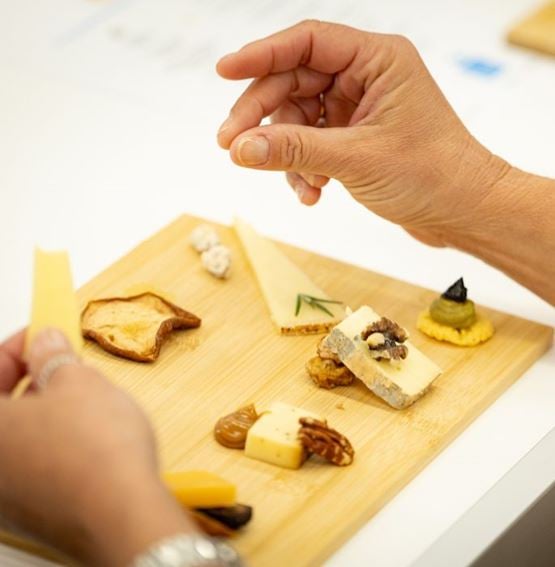
Breakfast. Lunchtime sandwiches. Melted into a weeknight gratin. Served at aperitif in bite-sized pieces while people actually talk to each other. A new generation of cheese bars has figured this out already: cheese doesn't close the meal anymore, it is the meal.
The consumption occasions are multiplying, the formats are shrinking and becoming more convenient, and perhaps most interestingly alcohol-free pairings are emerging as a genuine category to watch.
3. Inflation hits. Cheese held.
Consumers didn't abandon quality dairy when budgets tightened. They recalibrated, conceived smaller quantities, counted fewer impulse buys but refuse to trade down on the things that really matter to them ; for a growing number of shoppers, a good cheese is the affordable luxury that survived the cuts.
The implication for the industry is significant: the brands and retailers who framed quality as accessible not exclusive emerged stronger. The full trend report breaks down exactly how.
4. Your next favorite cheese might have cherry, seaweed, or smoked chili in it
The "swalty" movement that addictive sweet-salty tension is being called one of 2026's defining food directions. Bold, complex heat profiles inspired by fermented and smoked ingredients from around the world are close behind.
Seven in ten consumers globally say they're actively interested in new food products. The appetite for discovery is real. The producers finding ways to honor their terroir while surprising the palate are the ones generating the most buzz on shelves and on social media.