
INDIA’S PLANT-BASED CULINARY INFLUENCE IS RESHAPING GLOBAL FOOD TRENDS

India’s place in the global conversation on plant-based eating is unlike that of any other market. In many countries, vegan and vegetarian food still sits at the edge of mainstream consumption, often framed as a lifestyle choice or a premium retail niche. In India, the picture is fundamentally different. Plant-led eating is woven into religion, daily routines, regional cuisines and family habits. That gives the country a rare advantage at a time when international consumers are looking for plant-based food that feels rooted, flavourful and culturally credible rather than manufactured around substitution.
New consumer data underlines the scale of that distinction. A Statista Consumer Insights survey found that four in ten people in India follow a meat-free diet, placing the country ahead of every other market surveyed. By contrast, the equivalent figure stood at 10% in both the United Kingdom and the United States, 9% in China and 8% in France. India is not simply participating in the rise of plant-based eating. It is setting the pace.
A vegetarian culture with commercial momentum
India’s strength begins with culture, but it is now being reinforced by market growth. According to the information provided from IMARC-based market data, the India vegan food market was valued at USD 1,621.30 million in 2025, equivalent to roughly €1,492 million, and is projected to reach USD 3,823.93 million by 2034, or about €3,520 million, expanding at a compound annual growth rate of 10.00% from 2026 to 2034. That is a significant trajectory for a market whose foundations are already unusually strong.
This momentum is supported by a consumer base that is already deeply familiar with meat restriction. According to research, 81% of Indian adults limit meat in some way, while 39% describe themselves as vegetarian. That distinction matters. It suggests a wide middle ground of consumers who may not identify as fully vegetarian or vegan, but who already eat in ways that make plant-based products highly relevant.
The cultural architecture of Indian food helps explain why. Dietary practices are closely tied to religious and social traditions. Hindu communities may avoid beef, Muslims abstain from pork, and Jain food practices can go further still, excluding not only meat but also root vegetables. These habits have created a food culture in which plant-led eating is not an exception to the norm, but one of its principal expressions.
Dairy alternatives lead a market shaped by health and access
The strongest commercial segment is dairy alternatives. Dairy alternatives account for 46% of the India vegan food market in 2025. This dominance reflects both consumer need and market readiness. Rising lactose intolerance, greater awareness of cholesterol and lifestyle diseases, and the growing availability of plant-based milk in cafés and households are all helping to expand the category.
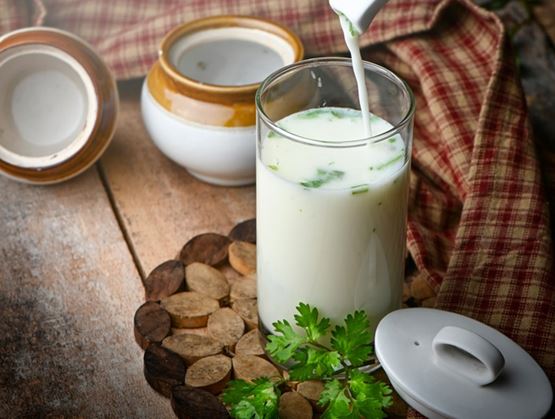
That is especially notable in a country that remains the world’s largest milk producer, contributing 25% of global milk production. India is not abandoning dairy overnight. Instead, it is building a parallel market in which plant-based dairy can coexist with entrenched consumption habits, particularly among younger, urban and health-conscious consumers.
Retail is reinforcing that shift. Supermarkets and hypermarkets represent 41% of the market in 2025, helped by dedicated vegan shelves, promotional activity and greater visibility in organised retail. The expansion of e-commerce and direct-to-consumer channels is also broadening access. This is important in a market where trust, product familiarity and convenience remain central to adoption.
Soy, meanwhile, holds a 34% market share by source, driven by affordability, protein content and its long-standing place in Indian cooking. In practical terms, that gives India an advantage that many newer plant-based markets lack. The ingredients do not feel foreign. They already belong to the culinary landscape.
Indian cuisine travels because it does not need to imitate
The global appeal of Indian food is closely tied to the fact that it does not have to invent plant-based meals from scratch. It already has them. Lentils, pulses, chickpeas, grains and vegetables sit at the centre of countless dishes across the country. This makes Indian cuisine particularly relevant in a period when international consumers are showing more interest in naturally plant-based meals and less fascination with heavily processed imitation.
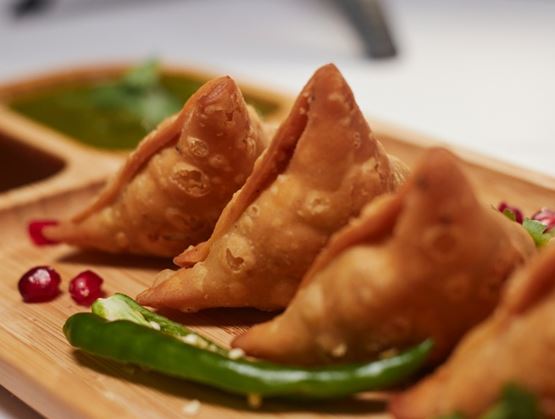
The cuisine’s diversity has also translated into strong global recognition of specific dishes. Meals such as dal, chana masala and dosa are increasingly familiar beyond India, while biryani, butter chicken and samosas have become staples in international foodservice. In the United Kingdom in particular, Indian cuisine is deeply embedded in everyday eating habits, with dishes like chicken tikka masala often cited among the country’s most popular meals. Indian restaurants have moved from niche offerings to a central part of the dining landscape, reflecting decades of cultural integration and adaptation.
Globalisation and travel have accelerated this process. As consumers become more exposed to international cuisines, there is a growing appetite for bold, spice-led flavours that offer both variety and authenticity. Indian food, with its layered use of spices, regional diversity and adaptability, meets these expectations. It also lends itself well to modern consumption formats, from street food-style snacks to ready meals and premium restaurant experiences.
This dynamic is reinforced by the way Indian cuisine has evolved over centuries. Trade, migration and successive empires have shaped a culinary identity that blends Persian, Central Asian, European and regional influences. Dishes such as biryani and korma reflect these layered histories, while ingredients introduced through global exchange, including chillies and potatoes, have become essential to Indian cooking.
Today, this adaptability is one of India’s strongest assets on the global stage. Indian cuisine continues to evolve while maintaining a clear identity, enabling it to resonate across diverse markets and changing consumer preferences.
From domestic confidence to international influence
As Indian cuisine continues to gain ground internationally, its influence is moving beyond restaurants and into product development, retail and foodservice strategy. The combination of cultural familiarity, market growth and product experimentation gives India unusual weight in the future of global food. It suggests that the country’s influence will not be limited to exports or restaurant popularity, but may increasingly shape how plant-based eating is understood in other markets. Rather than centring the conversation on replacement, India offers a model built on continuity, diversity and everyday use.
For the Sial Network, the wider food exhibition 2026 calendar and particularly SIAL Mumbai taking place from 10 to 12 April, this evolution makes India more than a source of flavour inspiration. It positions Indian cuisine as a serious reference point for the next phase of plant-based innovation. In a global market looking for food that is both commercially scalable and culturally grounded, India’s culinary power is becoming harder to ignore.