
SPRING’S SEASONAL RESET TAKES SHAPE

As winter recedes across the northern hemisphere, a subtle yet decisive shift takes place on plates and shelves. Consumers begin gravitating towards lighter, fresher and more plant-forward options, redefining priorities while maintaining a strong attachment to pleasure and flavour. This seasonal reset is not merely cyclical. It increasingly acts as a catalyst for experimentation, particularly as emerging taste trends accelerate across regions. Among the most visible developments are a new generation of globally inspired flavours that are moving rapidly from niche to mainstream, reinforcing how seasonal change now intersects with year-round innovation.
Fresh produce regains momentum across global markets
Spring consistently signals a renewed focus on fresh and minimally processed foods, a movement visible from Europe to Asia-Pacific. Seasonal fruits such as strawberries, citrus and early stone fruits regain prominence, while leafy greens and fresh herbs become central to both retail displays and foodservice menus.
Recent data underlines this shift. Fruit and vegetable consumption in Europe rose by approximately 3.5 percent in early 2025 compared to the previous year, while US fresh produce volumes stabilised after a period of decline. In Asia’s major cities, demand for ready-to-eat fresh produce continues to grow, reflecting the intersection of health awareness and convenience.
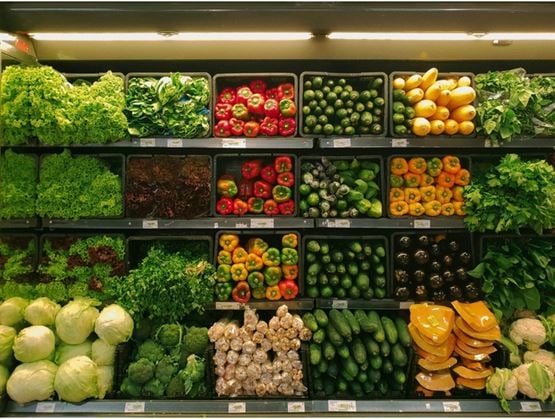
Retailers are responding by expanding assortments and highlighting provenance, quality and seasonality. Pre-cut fruits, ready-to-eat salads and chilled meal solutions are increasingly visible, bridging the gap between convenience and freshness. Within food industry trade show environments such as SIAL Network events, innovation in packaging, shelf life and cold chain logistics reflects this sustained demand for fresh formats.
At the same time, certain fruits are gaining renewed attention through product innovation. Dragon fruit, for example, is increasingly featured in beverages and confectionery, where its vibrant colour and subtle sweetness enhance both visual appeal and perceived freshness. Its use in flavoured waters, fruit blends and premium sweets illustrates how fresh produce is being reinterpreted in value-added categories.
The rise of flexible plant-forward eating
Alongside fresh produce, plant-forward eating continues to evolve, though rarely in absolute terms. Rather than strict dietary shifts, consumers are adopting flexible approaches that prioritise balance, variety and moderation.
Innova Market Insights reports that 42 percent of European consumers identified as flexitarian in 2025, with similar patterns emerging in North America and parts of Asia. While some mature markets have seen short-term slowdowns in plant-based product sales, household penetration remains high, indicating continued relevance.
Spring amplifies this behaviour. Meals increasingly centre on vegetables, legumes and grains, often complemented by smaller portions of animal-based products. The emphasis is on freshness and diversity, supported by culinary traditions that already favour plant-rich dishes in many regions.
This shift is also influencing flavour profiles. Botanical ingredients such as hibiscus and orange blossom are moving beyond niche applications to appear in a wider range of products, from chilled beverages to dairy desserts and light snacks. These floral notes contribute both aroma and perceived naturalness, aligning with consumer expectations for lighter yet distinctive taste experiences.
At international food exhibition 2026 platforms, this transition is reflected in a new generation of plant-forward products. Manufacturers are focusing on shorter ingredient lists, recognisable components and less processed formulations, responding to growing demand for transparency and authenticity.

Lightness without compromising pleasure
Despite the shift towards lighter eating, flavour remains the primary driver of choice. Around 68 percent of global consumers cite taste as the leading factor influencing food purchases, reinforcing the need for products that balance health and indulgence.
Spring menus illustrate this balance. Dishes featuring citrus, fresh herbs and grilled vegetables offer brightness and complexity, while lighter proteins such as fish and poultry provide satisfaction without heaviness. Desserts follow a similar direction, with fruit-based options and reduced sugar formulations gaining traction.
At the same time, flavour experimentation is intensifying. Korean culinary influences continue to expand globally, with ingredients such as gochujang and bulgogi increasingly incorporated into ready meals, sauces and snack products. Their combination of heat, sweetness and umami aligns with consumer demand for bold yet balanced profiles.
Another notable development is the rise of ‘swicy’ flavour combinations, where sweetness and heat are deliberately paired. This approach is visible in products such as chilli-infused chocolates, spicy fruit snacks and hot honey desserts, reflecting a growing appetite for contrast and complexity.
These flavour directions are no longer confined to their regions of origin. They are spreading across markets, supported by globalised supply chains and heightened exposure through social media and international food innovation exhibition platforms, where such trends gain visibility and commercial momentum.
A strategic window for innovation and global exchange
For industry stakeholders, spring represents a critical period for product launches and retail activation. Circana data suggests that new food product introductions increase by around 12 percent during the spring months in key markets such as Europe and North America. This reflects a strategic alignment between innovation cycles and seasonal consumer openness.
Retailers capitalise on this momentum through campaigns centred on freshness, wellbeing and renewal, while brands use the period to test new concepts and formats. The season becomes both a response to consumer demand and a driver of longer-term behavioural change.
The integration of emerging flavours into seasonal launches shows how innovation is evolving. What begins as a spring-driven search for freshness increasingly incorporates global taste influences, from tropical fruits to fermented and spicy profiles, shaping product development well beyond the season itself.
International gatherings play a central role in this process. By bringing together manufacturers, retailers and foodservice operators, they facilitate the exchange of ideas and the rapid dissemination of trends across regions. Within this ecosystem, the SIAL Network continues to act as a global platform where emerging flavours, product innovations and shifting consumption patterns converge, helping shape the next phase of development across the food sector.
Image credits: Jon Druker - Unsplash, Nguyen Minh Kien - Unsplash, Nrd - Unsplash