
SPOTLIGHT ON THE TOP TEN INNOVATIONS AT SIAL CANADA

The anticipation surrounding SIAL Innovation at SIAL Network events brings excitement as all eyes look to discover the latest cutting-edge products that are shaping the future. Since its creation in 1996, the competition has established itself as a benchmark for emerging trends, identifying products that signal where the global agri-food industry is heading. For the upcoming 2026 edition of SIAL Canada, set to be held this year in Montréal from 29 April to 1 May, the top ten innovations point towards a mix of sustainability, technical development and a closer focus on how products meet everyday consumer needs and shifting dietary habits.
Across the global food industry trade show circuit, innovation awards increasingly serve as both validation and forecasting tools. Products are evaluated not only on originality but also on their ability to scale, adapt to different markets and deliver tangible added value.
A snapshot of innovation priorities
Each of the ten finalists offers a distinct perspective on how innovation is evolving across the food sector, with individual products showcasing advances in sustainability, ingredients, processing techniques and market positioning.
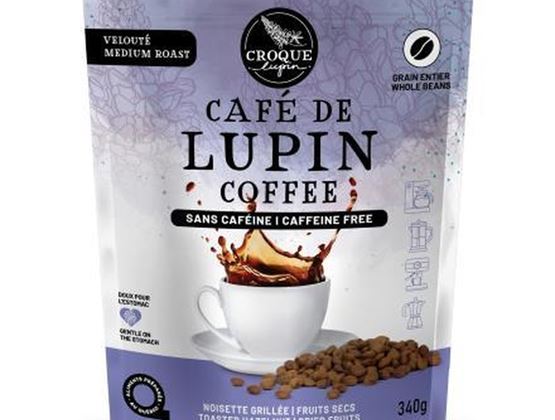
Lupin Coffee by Croque Lupin introduces a caffeine-free alternative made entirely from roasted lupin, grown and processed in Canada, supporting a circular economy while reducing reliance on traditional coffee supply chains. Designed to rival traditional coffee, it combines full traceability while maintaining familiar preparation methods that make it easy for consumers to adopt.
Teazen's kombucha in individual sachets rethinks how fermented drinks are consumed. By shifting from bottles to a portable powdered format, the product allows preparation on the go, delivering a low-calorie no added sugar beverage enriched with 12 strains of lactobacillus.


Kunana’s banana milk places upcycling at the centre of its proposition within the food processing industry. Using whole imperfect bananas, it turns surplus fruit into a creamy plant-based milk that performs across multiple uses, from beverages to culinary applications, while maintaining a strong nutritional profile.
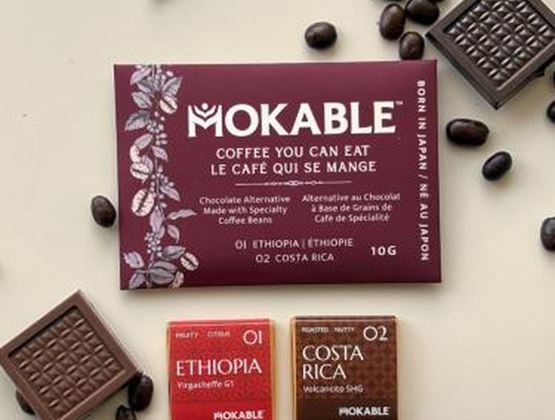
Mokable’s edible coffee moves away from conventional brewing altogether. Through a proprietary micro-grinding technique, whole coffee beans are transformed into a chocolate-like format, eliminating waste from discarded grounds and unlocking flavour notes typically lost during extraction.
La Terre du 9’s black garlic sauce revisits the role of everyday condiments. Developed as a local, soy-free alternative, it combines a short ingredient list with a deep umami taste, offering a solution aligned with growing expectations around transparency and ingredient sourcing. Made from black garlic purée, maple syrup, sea salt and rice vinegar, the recipe emphasises simplicity while maintaining a distinctive flavour profile.
Les Beurrés shifts attention to how products are used and portioned. Its flavoured butters, presented in aluminium capsules, bring together premium flavour combinations and precise servings, reducing waste while opening up new applications in both retail and foodservice.

Plant-based innovation also features prominently, but with a notable evolution. Rather than focusing solely on substitutes, several finalists aim to replicate the full sensory and functional experience of traditional products.
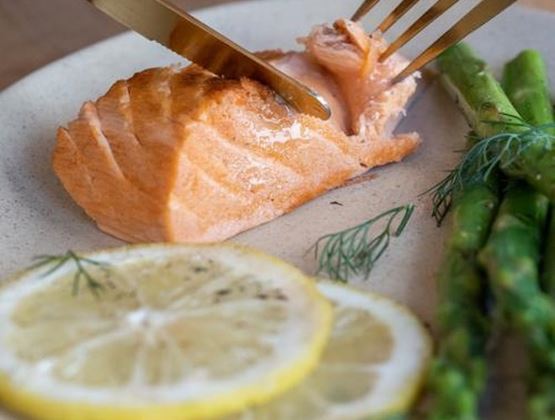
New School Foods focuses on sensory replication with its plant-based salmon fillet. The product is engineered to behave like real fish during cooking, from texture to flaking, offering chefs and consumers a convincing alternative that remains free from major allergens.
Lion’s Mane Mushroom Steak Co. further illustrates how ingredient-led innovation can redefine plant-based offerings. By focusing on whole mushrooms and minimal processing, the pre-marinated product delivers a meat-like texture without relying on complex formulations or additives.
While many finalists push the boundaries of innovation, others demonstrate how traditional recipes can be adapted to contemporary expectations.
Clark addresses everyday cooking habits with its range of ready-to-serve legumes in sauce. By simplifying preparation and extending shelf life, the range makes nutrient-rich ingredients more accessible without sacrificing flavour. Built around vegetarian recipes such as black beans in seasoned tomato-based sauces, the products combine pulses with spices, vegetables and natural flavourings to deliver a balanced, plant-based meal solution.

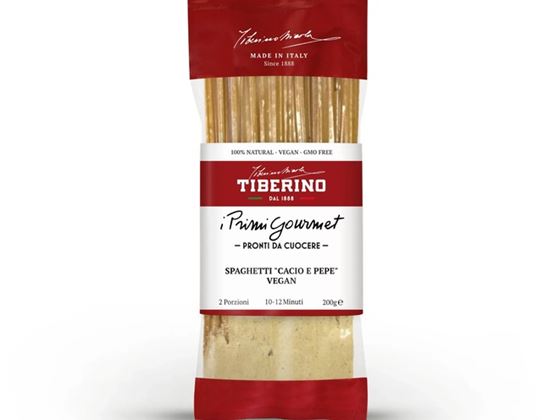
Tiberino 1888 revisits Italian culinary tradition through a plant-based cacio e pepe, offering a vegan interpretation of a classic Roman dish. Presented as a one-pot meal, the product blends authenticity with ease of preparation, meeting demand for familiar dishes adapted to modern dietary preferences.
The Lion’s Mane mushroom steak rounds out the selection with a focus on simplicity. Made from whole mushrooms and pre-marinated for flavour, it delivers a meaty texture without additives, aligning with the growing appeal of clean-label plant-based options.
Why these products stand out on the Canadian market
The selection of finalists also points to broader shifts in Canadian consumption habits. Interest in plant-based eating continues to rise, with nearly 40 percent of Canadians actively trying to incorporate more plant-based foods into their diets. This is accompanied by higher expectations around taste, texture and nutritional value, pushing innovation beyond simple substitution.
Sustainability is another defining factor. According to a 2024 report by Food Processing Skills Canada, over 60 percent of consumers say environmental impact influences their food choices. This has increased demand for products that demonstrate responsible sourcing, reduced waste and transparent supply chains.
Convenience also remains central, particularly as food inflation and busy lifestyles reshape purchasing decisions. Research from Statistics Canada indicates that spending on ready-to-eat and easy-to-prepare foods has continued to grow over the past year. As a result, products that combine practicality with nutritional value are gaining traction.
Taken together, these trends help explain why the shortlisted innovations resonate so strongly. They align with a market that is looking for food solutions that are not only inventive, but also relevant to everyday life.
Innovation in a complex sector
Across all ten finalists, a common thread emerges. Innovation is not limited to a single dimension but involves the integration of multiple factors, including ingredient sourcing, processing techniques, packaging and consumer experience. This holistic approach reflects the complexity of today’s food landscape, where success depends on addressing a wide range of expectations simultaneously.
As SIAL Canada approaches, these finalists offer a compelling insight into the direction of the food exhibition 2026 calendar. Innovation is increasingly driven by practical solutions to real-world challenges, from reducing waste to enhancing convenience and improving nutritional profiles.
For the SIAL Network, events like SIAL Innovation reinforce its role as a platform where emerging ideas are not only showcased but contextualised within broader industry trends. By bringing together exhibitors, buyers and innovators, these exhibitions continue to shape conversations around the future of food, offering a space where concepts tested in competitions can transition into scalable, market-ready solutions.